

Welcoming a new baby into the world during the warmest months of the year brings a unique set of joys and challenges. The sun is shining, the days are long, but the rising temperatures require parents to be extra vigilant. Choosing the right summer outfits for infants is not just about making them look adorable;
it is a critical component of newborn summer care and overall safety. Unlike adults, babies cannot regulate their body temperature efficiently. They do not sweat the same way we do, which means they are highly susceptible to the sweltering heat. Finding that perfect balance between comfort, breathability, and sun protection is essential for keeping your little one happy and healthy.
This comprehensive guide will walk you through everything you need to know about dressing your baby during the hot season. From understanding the complexities of newborn temperature regulation to selecting the best breathable fabrics, we will cover all the essential aspects of dressing baby in summer. Whether you are planning a trip to the park, packing your diaper bag essentials, or simply trying to figure out how to keep baby cool at night, the right clothing choices make all the difference. Let’s dive deeply into the world of infant summer wear and explore how you can build a functional, safe, and comfortable wardrobe for your baby.
Understanding Your Newborn’s Temperature Regulation
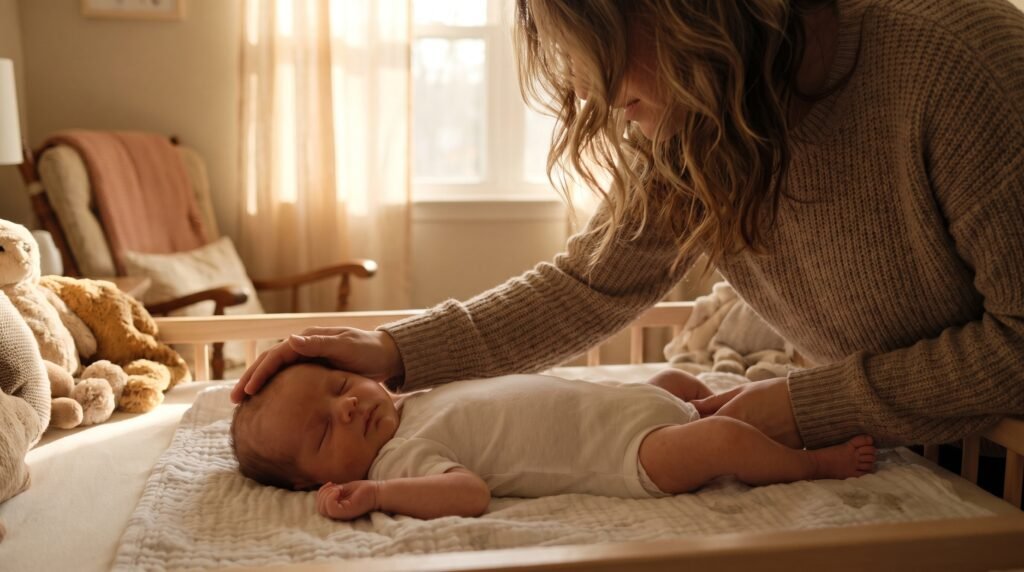
Before we delve into specific summer outfits for infants, it is vital to understand how a baby’s body handles heat. Newborn temperature regulation is vastly different from that of an adult or even an older child. Infants have a much larger body surface area relative to their body weight, which means they absorb heat from their environment much faster than grown-ups do.
Furthermore, their sweat glands are not fully developed. Sweating is the human body’s primary mechanism for cooling down, and because babies cannot sweat effectively, they are at a significantly higher risk of overheating rapidly. A normal infant body temperature usually falls between 96.8°F (36°C) and 99.5°F (37.5°C).
When the room temperature or outdoor climate exceeds comfortable levels, parents must step in to act as the baby’s external thermostat. Overheating is not merely a matter of temporary discomfort; it poses serious health risks. It can lead to severe dehydration, irritability, and painful heat rash across their sensitive skin. Most alarmingly, overheating is a known risk factor associated with Sudden Infant Death Syndrome (SIDS). This is why SIDS prevention in the summer months heavily relies on monitoring the ambient environment and selecting appropriate clothing. You must maintain proper room ventilation, consider using blackout curtains to block the harsh afternoon sun, and rely on a reliable nursery thermometer rather than guessing if the room is too hot.
What Are the Best Summer Outfits for Infants?
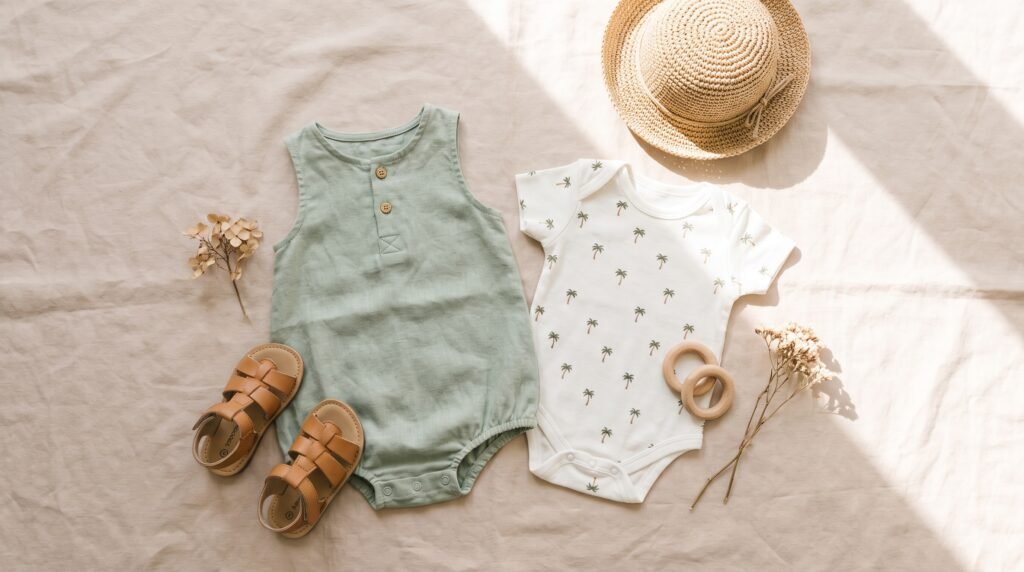
When building a wardrobe tailored to warm weather, the primary focus for summer outfits for infants should be on minimalism, ease of use, and breathability. The ultimate staple for any summer baby is the sleeveless romper. This one-piece garment leaves the arms and legs bare, allowing maximum air circulation over the skin while keeping the torso lightly covered. Similarly, short-sleeved cotton bodysuits (often called onesies) are incredibly versatile. They can be worn alone during the peak heat of the day or layered under a lightweight shirt if a cool breeze picks up in the evening.
For indoor environments where air conditioning is running constantly, your baby might actually get chilly. In these scenarios, having lightweight footed pajamas on hand is a smart move. Even though it is summer outside, a heavily air-conditioned living room or grocery store requires you to protect your baby’s extremities from the cold draft. The key is to dress your baby in layers that can be easily added or removed. Avoid anything with heavy embroidery, thick collars, or multiple layers of tulle and synthetic lace, as these trap heat against the skin. Instead, opt for relaxed fits that allow the air to flow freely. Simple, functional summer outfits for infants will always triumph over overly complicated, purely aesthetic fashion pieces when the temperatures soar.
General Guidelines for Dressing Your Baby in the Summer
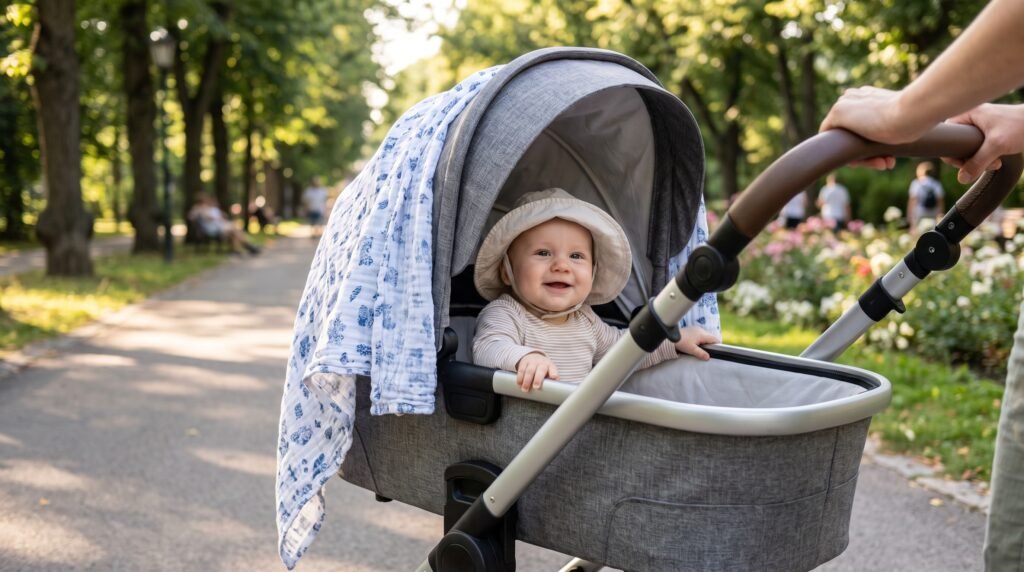
Mastering the art of dressing baby in summer involves a few golden rules that apply whether you are staying indoors or venturing out. First and foremost, sun protection is paramount. A baby’s skin is incredibly thin and contains very little melanin, making it highly vulnerable to UV rays. Even on cloudy days, sun exposure can be damaging. Therefore, if you are taking your baby outside, their summer outfits for infants should include lightweight, long-sleeved shirts and light pants that offer physical barriers against the sun without causing them to overheat. Wide-brimmed hats that cover the neck and ears are non-negotiable accessories.
Another crucial aspect of your summer routine is managing your diaper bag essentials. Because babies sweat and drink more fluids in the summer, you can expect an increase in drool, spit-ups, and diaper leaks. You should always pack at least three complete changes of summer outfits for infants, along with a wet bag to store soiled garments. Furthermore, when you are on the move, keeping baby cool in car seat is a major challenge. Car seats are densely padded for safety, which unfortunately means they trap a massive amount of body heat. To combat this, dress your baby in the lightest possible single layer (like a cotton muslin bodysuit) while they are strapped in, and utilize a battery-operated stroller fan clipped safely out of reach to ensure constant air circulation around their face and torso.
What Should a Newborn Wear to Sleep in Heat?
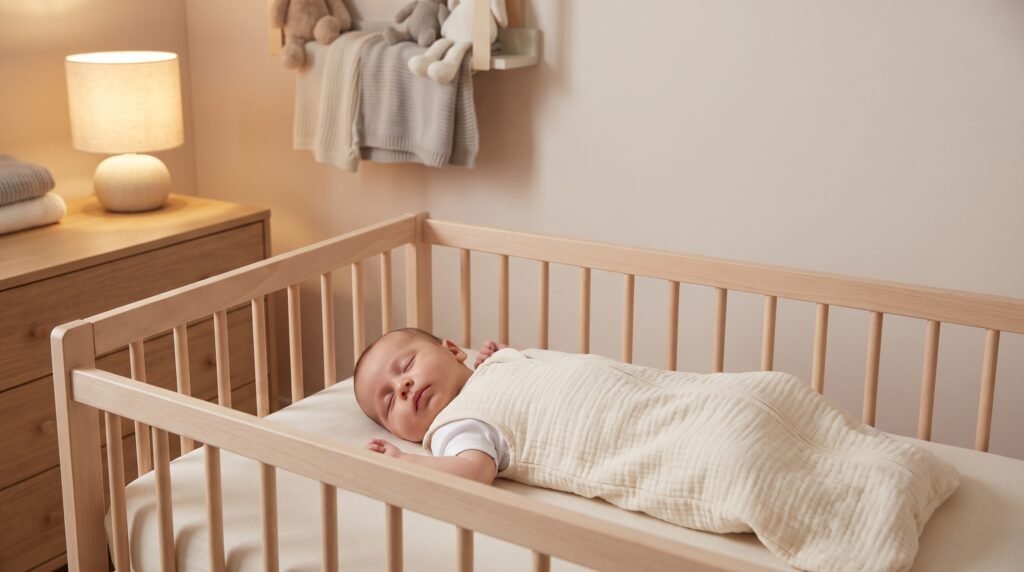
O
ne of the most common anxieties parents face during the warmer months is figuring out exactly what should a newborn wear to sleep in heat. Nighttime temperature drops can be unpredictable, but over-bundling a baby is far more dangerous than under-bundling them. To ensure a safe baby sleep environment, you must ditch the heavy quilts, fleece blankets, and thick sleepwear. If the nursery temperature is hovering around 75°F (24°C) or higher, your baby will be perfectly comfortable in nothing more than a diaper and a highly breathable muslin swaddle.
For slightly cooler nights, or if you use air conditioning to keep the room at the pediatrician-recommended 68°F to 72°F (20–22.2°C), pairing a short-sleeved cotton bodysuit with a lightweight sleep sack is the perfect solution. When shopping for sleep sacks to complement your summer outfits for infants, you must pay strict attention to the TOG rating. TOG stands for Thermal Overall Grade, which measures the thermal insulation of a garment. For summer sleeping, you want a sleep sack with a TOG rating of 0.2 to 0.5. This ensures the baby feels the comforting weight of a blanket without the dangerous heat retention. Figuring out how to keep baby cool at night also means placing the crib away from direct sunlight during the day, utilizing fans to boost air circulation (making sure the air doesn’t blow directly onto the baby’s face), and avoiding loose items in the crib at all costs.
The Best Fabrics for Summer Babies: Keeping the Skin Breathing
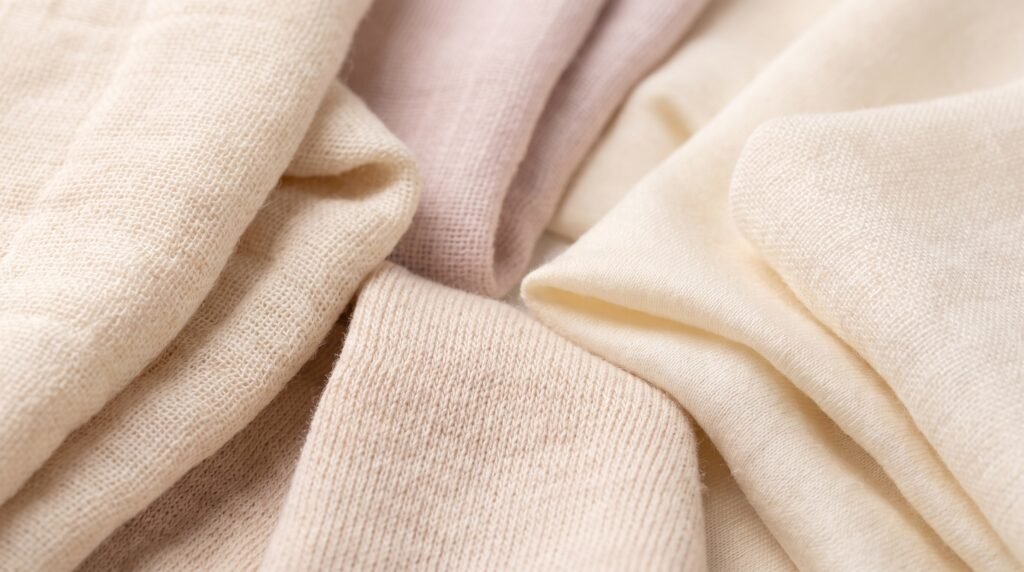
The material of the clothing you choose is just as important as the style. When evaluating the best fabrics for summer babies, natural fibers are your absolute best friends. The undisputed king of summer outfits for infants is lightweight cotton. Cotton is inherently soft, highly durable, and most importantly, incredibly breathable. It absorbs moisture well, pulling sweat away from the baby’s skin and allowing it to evaporate into the air. If your baby has particularly sensitive skin or is prone to eczema, upgrading to organic cotton ensures the fabric is free from harsh chemical treatments and pesticides.
Another phenomenal choice for summer outfits for infants is muslin. A muslin swaddle is woven loosely, which allows heat to escape effortlessly while still providing a soft, comforting wrap that mimics the womb. In recent years, bamboo viscose has surged in popularity for infant summer wear, and for good reason. Bamboo fabric is buttery soft, naturally hypoallergenic, and boasts incredible temperature-regulating properties. It feels cool to the touch and stretches comfortably as the baby moves. Conversely, you must strictly avoid synthetic fabrics like polyester, nylon, and acrylic during the summer. These materials are essentially plastics; they trap body heat, block air circulation, and will cause your baby to sweat profusely, leading directly to severe heat rash and extreme discomfort.
When to Change Baby’s Clothes in the Heat
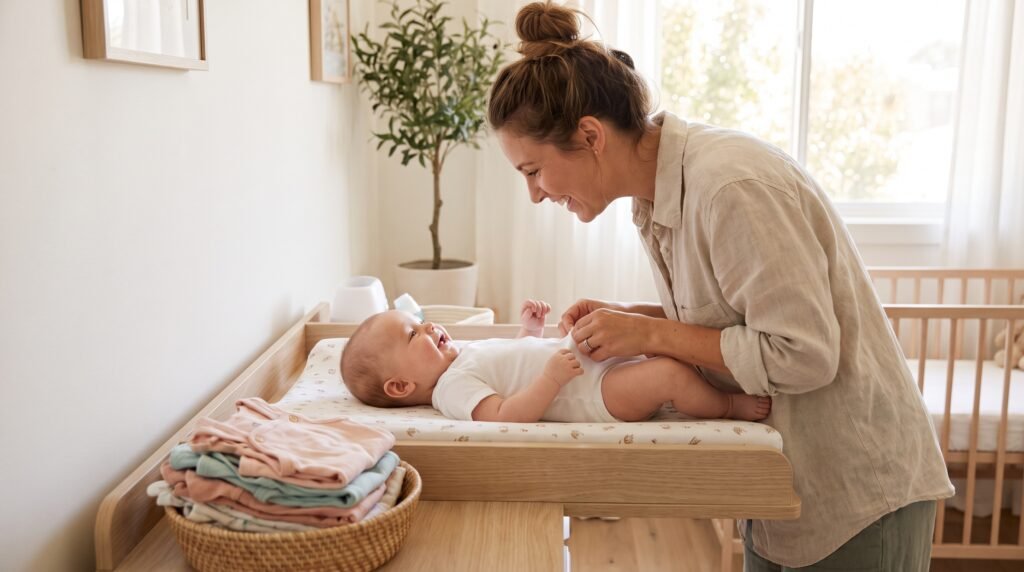
A common question among new parents is when to change baby’s clothes during the hot summer months. The reality is that summer weather necessitates a significant increase in your laundry output. Unlike the winter months where a baby might wear the same outfit all day, summer outfits for infants need to be swapped out frequently to maintain hygiene and comfort. Babies naturally sweat more when they are sleeping, playing, or feeding in warm environments. Leaving a baby in damp, sweaty clothing is a primary trigger for skin irritations, heat rashes, and fungal infections in the folds of their skin.
Furthermore, the heat often causes babies to feed more frequently to stay hydrated, which inevitably leads to an increase in spit-ups. Diaper blowouts are also more common as the baby consumes more liquids. As a general rule of thumb, you should be prepared to change your baby’s outfit at least two to three times a day during peak summer. Every time you notice the neckline of their shirt is damp from sweat or drool, it is time for a fresh, dry garment. This constant rotation is why stocking up on simple, inexpensive, and easy-to-wash summer outfits for infants is a highly practical strategy for modern parents.
Signs of Overheating in Newborns and How to Prevent It
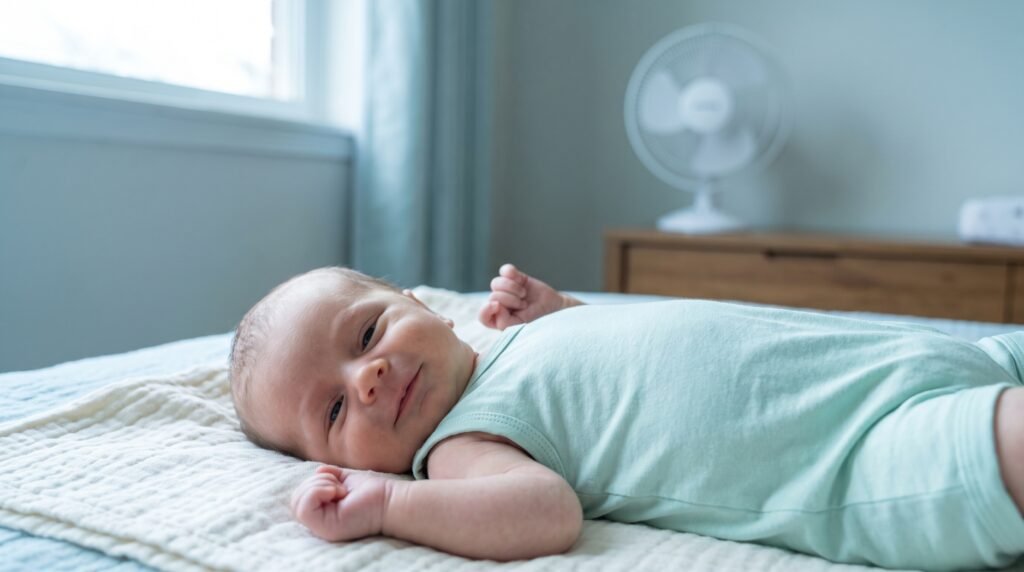
Because your baby cannot verbally communicate that they are too hot, it is entirely up to you to monitor their physical cues. Knowing the signs of overheating in newborns is a critical life-saving skill. You should frequently check your baby’s temperature by placing the back of your hand against their bare chest, tummy, or the nape of their neck. These areas provide the most accurate assessment of their core body temperature. Do not rely on their hands and feet, as infant extremities are naturally cooler due to developing circulatory systems.
If you feel excessive heat, or if the skin is sticky with perspiration, you must act immediately. Other severe overheating symptoms include a flushed or deeply reddened face, rapid or shallow breathing, extreme lethargy (being unusually difficult to wake), and the sudden appearance of tiny red bumps known as a heat rash. If you observe any of these signs, immediately move the baby to a cooler environment, remove layers of their summer outfits for infants, and offer fluids (breast milk or formula) to combat dehydration. Understanding these symptoms is a massive part of how to prevent SIDS in summer. The goal is always to keep the baby on the slightly cooler side rather than risking them getting too warm.
Expert Tips for Creating a Safe Baby Sleep Environment

Creating a safe baby sleep environment goes beyond just selecting the right summer outfits for infants; it encompasses the entire physical space where the baby rests. The American Academy of Pediatrics strongly advises that babies should always be placed on their backs to sleep, on a firm, flat mattress covered only by a tightly fitted sheet. In the summer, the temptation to add a fan directly blowing on the baby to cool them down might be strong, but this can cause rapid temperature drops and breathing difficulties. Instead, aim the fan at a wall or the ceiling to keep the air continuously moving throughout the room without creating a direct draft.
Monitor the room temperature actively using a digital nursery thermometer. If your home does not have central air conditioning, utilize blackout curtains during the peak daylight hours to prevent the room from turning into a greenhouse. Remember that the clothing your baby wears to bed is their only blanket. Utilizing the proper TOG rating (0.2 to 0.5) for their sleep sack, combined with a highly breathable, moisture-wicking base layer, guarantees that their body temperature remains stable throughout the night, significantly reducing the risks associated with thermal stress.

FAQs
How many layers should a baby wear in summer?
As a general rule, dress your baby in one more light layer than you are comfortable wearing in the same environment.
Is it safe to use a fan in the baby’s room?
Yes, it is safe and recommended to keep air circulating, provided the fan is not pointing directly at the baby.
Do infants need to wear hats indoors during the summer?
No, infants should not wear hats indoors as their heads are a primary way they release excess body heat.
What is the ideal room temperature for a baby in the summer?
The ideal nursery temperature should be kept consistently between 68°F and 72°F (20–22.2°C) year-round.
Can babies wear sunscreen instead of long sleeves?
Babies under six months should be kept out of direct sunlight and rely on lightweight, long-sleeved clothing for sun protection rather than sunscreen.
Conclusion
Navigating the hot weather with a newborn doesn’t have to be a source of constant stress for new parents. By carefully selecting the appropriate summer outfits for infants, you can easily ensure your little one remains happy, comfortable, and most importantly, safe from the dangers of overheating. Always prioritize lightweight, breathable fabrics like organic cotton, muslin, and bamboo viscose over synthetic materials. Pay close attention to your baby’s physical cues, utilize appropriate TOG-rated sleepwear for nighttime, and maintain a cool, well-ventilated environment. Armed with the knowledge of proper newborn temperature regulation and the right wardrobe, you can confidently step into the sunny season and enjoy precious, comfortable moments with your baby.
Meta Keywords: summer outfits for infants, newborn summer care, dressing baby in summer, newborn temperature regulation, breathable fabric, muslin swaddle, bamboo viscose, overheating symptoms, keeping baby cool in car seat, best fabrics for summer
Leave a Reply